
Travel can be hard on pets. Some dogs whine, pant, pace, drool, or vomit in the car, while some cats cry the entire ride, hide in the back of the carrier, or arrive at the destination stressed and exhausted. When a trip is coming up, it's understandable to wonder whether sedation would make the experience easier.
The answer depends on the pet, the type of travel, and what you mean by “sedation.” Some pets benefit from veterinarian-prescribed medication for travel anxiety or motion sickness. Others should not be sedated, especially for air travel, because certain medications can affect balance, breathing, blood pressure, and the ability to respond normally during transport. The safest plan starts with a conversation with your veterinarian well before travel day.
Should You Sedate a Pet for Travel?
You should not sedate a pet for travel without guidance from a veterinarian. Pets respond differently to medications based on their species, age, breed, weight, health history, anxiety level, and other medications they may be taking. A medication that is appropriate for one dog or cat may be unsafe, ineffective, or too strong for another.
It's also important to separate heavy sedation from calmer, more targeted support. Heavy sedation can make a pet very drowsy, unsteady, or less able to protect themselves. In contrast, some veterinary-prescribed medications may be used to reduce situational anxiety, nausea, or motion sickness while still allowing the pet to remain responsive.
For many pets, the goal is not to “knock them out.” The goal is to help them travel with less fear, less nausea, and fewer stress-related behaviors. That may involve medication, but it may also involve carrier training, route planning, pheromone products, shorter practice trips, and changes to feeding or timing.
Why Air Travel Is Different From Car Travel
Air travel deserves extra caution because pets may be separated from their owners, exposed to unfamiliar handling, and placed in environments where monitoring is limited. Many veterinarians do not recommend sedatives before flying because a pet could have a poor reaction during the flight, including collapse or difficulty breathing.
Altitude, stress, temperature changes, and limited observation can make sedation riskier during flights than during a short car ride. A sedated pet may also have more trouble maintaining balance inside the carrier if there is movement during transport. For pets traveling in cargo, there may be no immediate way for an owner to notice early signs of trouble.
If your pet is flying, ask your veterinarian and the airline about current requirements before making a medication plan. Airlines may have specific rules about sedated pets, carrier setup, health certificates, and accepted travel conditions. If your pet has severe anxiety, breathing issues, heart disease, is very young or senior, or is a flat-faced breed, your veterinarian may recommend a different travel plan altogether.
When Medication May Help During Car Travel
Car travel is often more flexible because you can watch your pet, adjust the temperature, stop when needed, and contact help if something seems wrong. For some pets, veterinarian-prescribed medication can be useful for car-related anxiety, motion sickness, or both. Motion sickness in dogs may improve with conditioning in some cases, while other dogs may need medications from a veterinarian to help with nausea, drooling, sedation, or vomiting.
Motion sickness and anxiety can look similar, and they can happen together. A dog who drools, licks their lips, swallows repeatedly, vomits, or becomes quiet in the car may be nauseous. A pet who shakes, vocalizes, tries to escape the carrier, pants heavily, or refuses to enter the vehicle may be frightened. Your veterinarian can help decide whether the main issue is nausea, anxiety, pain, poor carrier conditioning, or a combination of concerns.
Some pets do well with non-medication strategies alone. Others need a prescription plan, especially if travel is necessary and the pet has a history of severe distress. The key is to avoid guessing at home or using leftover medication from another pet.
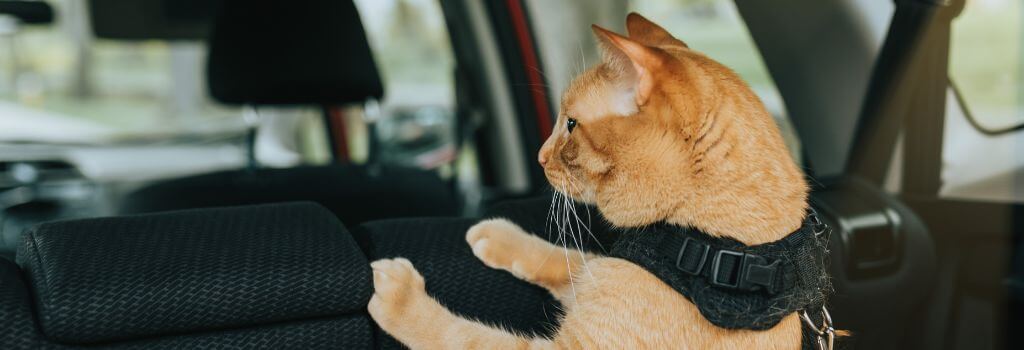
Common Types of Veterinary Travel Support
Veterinarians may recommend different options depending on what your pet experiences during travel. A pet who vomits in the car may need a different plan than a pet who trembles in the carrier but never gets carsick. Some pets need a nausea medication, some need anti-anxiety support, and some need behavior training before medication will be helpful.
- Anti-nausea medication: These medications may be used when motion sickness is the main problem.
- Anti-anxiety medication: Medications such as trazodone may be prescribed for anxiety-related situations, including travel, when a veterinarian determines it is appropriate for that pet.
- Situational calming medication: Some medications, such as gabapentin, may be used before stressful events like car trips or veterinary visits under veterinary direction.
- Behavior and carrier training: Practice sessions, short rides, gradual carrier exposure, and rewards can help pets build a better association with travel over time.
- Environmental changes: Carrier placement, ventilation, temperature control, bedding, timing meals, and planning breaks can all affect how well a pet handles travel.
Medication should be tested before the actual trip when your veterinarian advises it. This gives you and your veterinary team a chance to see how your pet responds while they are safely at home. A pet who becomes too sleepy, agitated, wobbly, nauseous, or unusually restless may need a different plan.
Why You Should Never Use Human Sedatives or Over-the-Counter Products Without Veterinary Guidance
Human medications can be dangerous for pets, even when they seem mild. Doses do not translate cleanly from people to dogs or cats, and some ingredients that are common in human products can cause serious problems for animals. Cats, in particular, metabolize many substances differently from dogs and people.
Over-the-counter calming products can also be a problem if they are used without a plan. Some may not work, some may cause side effects, and some may interact with medications your pet already takes. Products marketed as “natural” are not automatically safe for every pet.
It's also risky to borrow medication from another animal. Even two pets of the same species and similar size may need different recommendations based on health status, breed, age, liver or kidney function, and travel history. Your veterinarian can help choose an option that fits your pet rather than relying on a one-size-fits-all approach.
How to Prepare Your Pet Before Travel Day
Preparation often makes the biggest difference. Start by scheduling a veterinary visit before your trip, especially if your pet has never traveled far, has a history of stress, or has a medical condition. Confirming that your pet is in good health by scheduling an appointment with a veterinarian before traveling is always a great idea.
For dogs, practice can include sitting in the parked car, taking short drives around the block, and pairing the car with calm praise or rewards. For cats, preparation often starts with the carrier. Leave it out before the trip, add familiar bedding, and help your cat learn that the carrier is not only used for stressful events.
Food timing can also matter. Some pets travel better on a lighter stomach, but fasting recommendations are not the same for every pet, especially for very young animals, seniors, diabetic pets, or pets with medical needs. Ask your veterinarian how to handle meals, water, and medications before your specific trip.
When Travel May Not Be the Right Choice
Sometimes the safest plan is not sedation. It may be changing the travel method, postponing the trip, hiring a pet sitter, boarding with a veterinary facility, or choosing a trusted caregiver at home. This is especially worth discussing if your pet has severe respiratory disease, heart disease, uncontrolled seizures, advanced age-related concerns, or extreme anxiety that does not respond well to preparation.
Flat-faced dogs and cats may need extra caution because breathing can already be more challenging for them. Pets who become highly distressed in carriers or vehicles may also be at greater risk during long trips. If travel is optional and your pet is likely to struggle, staying home may be kinder and safer.
For required travel, your veterinarian can help you build a plan that balances safety and stress reduction. That plan may include medical records, refill timing, emergency clinic information along the route, carrier recommendations, and a trial medication plan when appropriate.
The Bottom Line on Sedating Pets for Travel
Sedating a pet for travel is not a decision to make on your own. Some pets benefit from carefully chosen veterinary medication for anxiety or motion sickness, particularly during car travel. Air travel is different, and sedation is often discouraged because pets cannot be monitored closely and may have breathing, balance, or cardiovascular problems during the flight.
If your pet struggles with travel, talk with your veterinarian before the trip instead of waiting until the last minute. Bring up what you have seen in the past, including vomiting, drooling, panting, crying, hiding, shaking, or refusal to enter the carrier. With the right plan, many pets can travel more safely and with less distress, whether that means medication, training, a different route, or choosing not to travel at all.
If you have questions and you'd like to reach out to us, you can call us directly at (530) 626-4838, or you can email us at [email protected]. Don't forget to follow us on social media Facebook, Instagram.